Nuropod vs Sensate: Differences, Cost & Reviews Compared

Key Takeaways
-
Nuropod and Sensate both focus on the vagus nerve, which carries signals between the brain and organs such as the heart and gut. Nuropod works electrically at the ear, while Sensate works acoustically at the chest with no current involved.
-
Nuropod costs $900 with no subscription, while Sensate starts at $299, with its $348 Plus Pack adding a one-year soundscape subscription.
-
Most people use Nuropod for around 30 minutes, once or twice a day, with no other equipment, while Sensate sessions run 10 to 30 minutes with a phone, its app, and headphones.
-
On Trustpilot, Nuropod (listed as Nurosym) scores 4.3 out of 5 across 1,300+ reviews praising sleep and support, while Sensate scores 3.9 from 1,636, with app and subscription complaints.
-
Nuropod delivers electrical vagus nerve stimulation (VNS) at the ear from the device alone, backed by 60+ completed clinical studies on its AVNT™ waveform.*
How Nuropod and Sensate Reach the Vagus Nerve
Nuropod suits buyers who want electrical vagus nerve stimulation, since it sends gentle electrical pulses through the tragus using a waveform supported by its own body of research. Sensate uses sound and vibration on the chest, and the company says it does not deliver electrical current.
Both brands focus on the vagus nerve, which carries signals between the brain and organs such as the heart, lungs, and gut, but research on electrical stimulation at the ear does not carry over to a sound-based device.
The two also fit into the day differently. A Nuropod session can run quietly while you read or work at a desk, while Sensate is usually used lying down as a separate break. Reviewers who rate Sensate lower tend to mention app reliability and the paid soundscape library, two parts of the routine that a self-contained device avoids.

Nuropod vs Sensate: Device Comparison
What Is Nuropod?
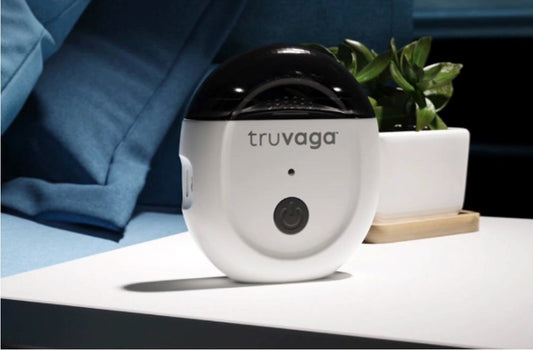
Nuropod is a wearable vagus nerve stimulation device made by Parasym and sold in the United States. It is sold as a wellness device, not a medical device. It ships from nuropod.com as a complete kit with nothing to add later.
An earpiece clips onto the tragus, the small flap of the outer ear just in front of the ear canal, which is where the vagus nerve reaches the skin of the ear. The device sends gentle electrical pulses through that point using AVNT™, Parasym's proprietary waveform.
The vagus nerve carries signals between the brain and organs, including the heart, lungs, and gut, and it plays a large part in how the body handles stress, rest, and recovery. Most people use the device for around 30 minutes, once or twice a day, while working or reading.
Research on Parasym's AVNT technology has measured changes in vagus nerve activity. In clinical studies, vagus nerve activity increased by an average of 61%.*

Nuropod clips to the tragus and sends AVNT pulses through the ear.
What Is Sensate?
Sensate is a chest-placed relaxation device sold in the United States through getsensate.com, made by a separate company with no connection to Parasym. Sensate describes its method as Somacoustics™, a combination of low-frequency vibration felt through the chest and audio heard through headphones. The company states directly that the device is non-electrical.
The device rests on the sternum, either held in place with a lanyard or laid on the chest while the user lies down. Sensate's site says bone conduction carries the vibration through the thoracic cavity while the app plays a matching soundscape through headphones, and that neither element works as well on its own.
Sessions run 10 to 30 minutes, and users select them in the app. Sensate describes its approach as sound pressure reaching vagal branches in the chest.
The company reports lower stress and more sleep each night from its own pilot study. Because these are self-published results, the study's methodology, participant group, and limitations would need examining before the figures carry much weight.

Sensate rests on the sternum, pairing low-frequency vibration with app soundscapes, and is explicitly non-electrical, with sessions running 10 to 30 minutes. (Image source: Sensate)
What Are the Main Differences Between Nuropod & Sensate?
Mechanism of Action
Mechanism is the difference that determines everything else in this comparison. Nuropod delivers electrical stimulation at a point on the ear where the vagus nerve reaches the skin, which is the method used in clinical research on this technology.
Sensate delivers sound vibration at the chest and confirms that it uses no current at any point. A buyer comparing evidence across the two is reading two separate records, neither of which transfers to the other product.
Usage
Daily use follows directly from the mechanism. Nuropod runs on the device alone, so you can do a session during work or reading without any other equipment. Sensate requires a phone, the app, and headphones every time, so it fits into a dedicated session, usually while lying down.
How Much Do Nuropod & Sensate Cost?
Nuropod Cost
Nuropod sells for $900 on nuropod.com, and that figure covers the whole cost of ownership, with no subscription and no consumables to replace along the way. Shipping is free within the continental United States, and the kit arrives with the device, an earpiece, a charger, a protective case, and a quick start guide.
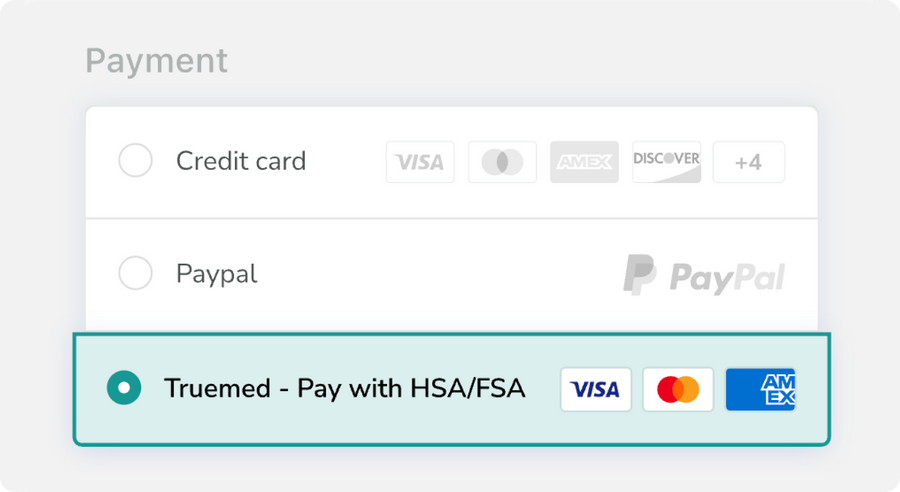
You can split payment through Shop Pay into four interest-free installments at 0% APR, or pay $81.23 per month. Every purchase carries a 30-day return guarantee.* Eligible purchases can be made using pre-tax HSA or FSA funds through Truemed, subject to individual plan requirements.
Sensate Cost
A single Sensate costs $299 and includes the device, a lanyard, and access to the app's foundational soundscape library with no subscription required. The Plus Pack at $348 adds a one-year Sensate Plus subscription, valued by the company at $49.99, which unlocks a premium library of 50+ soundscapes.
Multi-device bundles lower the unit price: two Plus Packs are $592, and four are $1,141. Shipping is included, and Sensate applies a 90-day money-back guarantee on purchases made through its own store.
Nuropod & Sensate Customer Reviews
Nuropod Reviews
Nuropod holds 4.3 out of 5 on Trustpilot across more than 1,300 reviews, which are filed under Nurosym, the name the same device and AVNT technology carry outside the United States. Most reviewers say it helps them sleep more soundly and feel calmer through the day, and many describe that change building gradually over the first few weeks of regular sessions.
When reviewers describe the difference, they tend to describe it in physical terms. They talk about winding down more easily at night and getting through busy days with less tension, and some compare how they feel with readings from a smartwatch or fitness ring. Many also say the device fits easily into a normal routine, since each session runs from the earpiece alone, with no phone or headphones to set up first.
Customer support is the other theme that comes up often. Reviewers say the team answers quickly, explains intensity and timing clearly, and stays in touch until a problem is sorted, which gives new users confidence while they settle into a routine.
Sensate Reviews
Sensate sits at 3.9 out of 5 on Trustpilot, based on 1,636 reviews. Most reviewers who rate it highly use it at night, describing quicker wind-downs, falling asleep more easily, and, in some cases, an extra hour of sleep. Many point to the controls as the reason it works for them, since the app lets you adjust vibration intensity, volume, and session length. Most also describe customer service as responsive on order and setup problems.
The Plus subscription draws the most criticism. Most reviewers who raise it say the premium library gains too few new soundscapes to justify the annual fee, and several ask for occasional new tracks without subscribing.
The app requirement is another recurring complaint, with reviewers reporting unreliable connections and reluctance to wake a phone during the night, since the device will not run a session without it. Some also report long waits on returns and refunds despite the 90-day window, and a few say the vibration stays too subtle even at maximum.
Nuropod vs Sensate: Comparison Table
|
Feature |
Nuropod |
Sensate |
|
Type |
Wearable auricular vagus nerve stimulation device |
Chest-placed acoustic relaxation device |
|
Method |
Gentle electrical pulses using AVNT |
Pairing low-frequency vibration with app soundscapes |
|
Placement |
Tragus of the ear |
Sternum |
|
Session Length |
Around 30 minutes, once or twice a day |
10 to 30 minutes |
|
Extra Equipment |
None beyond the Nuropod kit |
Phone, app and headphones |
|
Cost |
$900 |
$299 single, $348 Plus Pack |
|
Subscription |
None |
Optional Sensate Plus, $49.99 a year |
|
Guarantee |
30-day return guarantee |
90-day money-back guarantee |
|
Trustpilot score |
4.3 out of 5 |
3.9 out of 5 |
Stimulate the Vagus Nerve at the Ear with Nuropod

Nuropod's AVNT waveform stimulates the vagus nerve at the ear, running each session from the earpiece alone, with no phone or headphones.
The decision comes down to which mechanism a buyer actually wants and how much a single session should ask of them. Sensate fits someone who prefers sound and vibration with no current, is willing to set up a phone and headphones each time, and values the lower entry price and the 90-day window that comes with it.
Nuropod is built for buyers who want the vagus nerve itself stimulated. Our AVNT waveform has been tested in randomized, placebo-controlled studies*, and each session runs from the earpiece alone, so it fits around work or reading with no phone or headphones involved. If research on the method matters to you, learn about Nuropod today.
Frequently Asked Questions (FAQs)
Can you use Nuropod and Sensate at the same time?
Neither company publishes guidance on using the two devices together. Nuropod works at the ear with electrical pulses, and Sensate works at the chest with sound, so anyone considering both should check with each brand's support team and a qualified health professional first.
Does Sensate need a subscription to work?
Sensate runs without one, since the device and the foundational soundscape library are included in every purchase. Sensate Plus, priced at $49.99 a year and bundled free for twelve months with the $348 Plus Pack, adds a premium library of 50+ soundscapes to that base.
Are Nuropod and Sensate eligible for HSA or FSA payment?
Nuropod lists HSA and FSA eligibility for United States buyers, processed through Truemed at checkout, and Sensate offers the same route with a quoted average saving of around 30%. Eligibility depends on your individual plan, so confirm the details with your administrator first.
Do you need a prescription for either device?
Neither device is sold on prescription in the United States, and both are bought directly from the brand's own store. Nuropod is sold as a wellness device through nuropod.com, and Sensate is sold as a consumer relaxation device. Anyone unsure about fit should speak with a health professional first.
Who is Nuropod best for?
Nuropod suits adults who want nervous system support folded into an ordinary day, particularly people who feel under strain or run down and would prefer something worn during work or reading. The AVNT waveform behind it carries 10+ years of research and development, and a 30-day return guarantee covers the trial.*
*Disclaimer: Nuropod is classified by the FDA as a non-significant risk device and is not intended to diagnose, treat, cure, or prevent any disease. Clinical research referenced in this article was conducted using Parasym's neuromodulation technology under research conditions; individual results may vary. All percentage figures cited reflect findings from specific study populations and should not be interpreted as guaranteed outcomes for all users. Individuals should consult a qualified health professional regarding their personal health needs.