





¿VFC? ¿Qué mide realmente la Variabilidad de la Frecuencia Cardíaca?
La VFC evalúa tu capacidad para mantener la resiliencia, regular el ritmo cardíaco, recuperarte eficazmente, alcanzar un sueño profundo y mucho más.
Es el indicador del rendimiento de tu cuerpo.

18 % de aumento en la VFC y 61 % de incremento en la actividad vagal parasimpática en comparación con el placebo (PLOS ONE).
Scientific Explanation
El RMSSD mide la VFC (variabilidad de la frecuencia cardíaca) y es especialmente sensible a los cambios en la actividad parasimpática. Un valor elevado indica un cambio favorable en el equilibrio de tu sistema nervioso hacia una mayor predominancia parasimpática, lo que potencia los mecanismos naturales de autorreparación psicofisiológica del organismo y fortalece la resiliencia del sistema nervioso.
En un ensayo de dos fases, la neuromodulación con Nuropod produjo un aumento del 61 % en el tono vagal (potencia HF) y un incremento del 18 % en la VFC. Estos efectos se mantuvieron más allá del período de intervención, lo que demuestra un efecto residual o de arrastre (carry-over effect).
El sistema oculto que sustenta la VFC: la activación parasimpática
Nuropod ha sido evaluado por terceros en algunas de las instituciones líderes del mundo


Respaldado por más de 100 instituciones reconocidas internacionalmente


Nuropod en cifras
Impacto respaldado por la investigación
Nuropod está clínicamente validado para generar cambios inmediatos y significativos en los sistemas nervioso autónomo e inflamatorio:

Cómo el emprendedor de neurotecnología Bryan Johnson mejora su VFC con Nuropod

"Cuando se trata de la ansiedad, los estudios que he revisado respaldan que la estimulación transcutánea del nervio vago es eficaz para aumentar la actividad parasimpática. También puede ayudar a reducir la fatiga y, en mi experiencia personal, he observado una mejora en mi VFC al utilizar este dispositivo."
Dr. James Gill
Profesor Asociado en Warwick Medical School


Aprendizaje motor


Recuperación más rápida del entrenamiento


Optimización de la VFC


Sueño de calidad


Control emocional


Circulación sanguínea


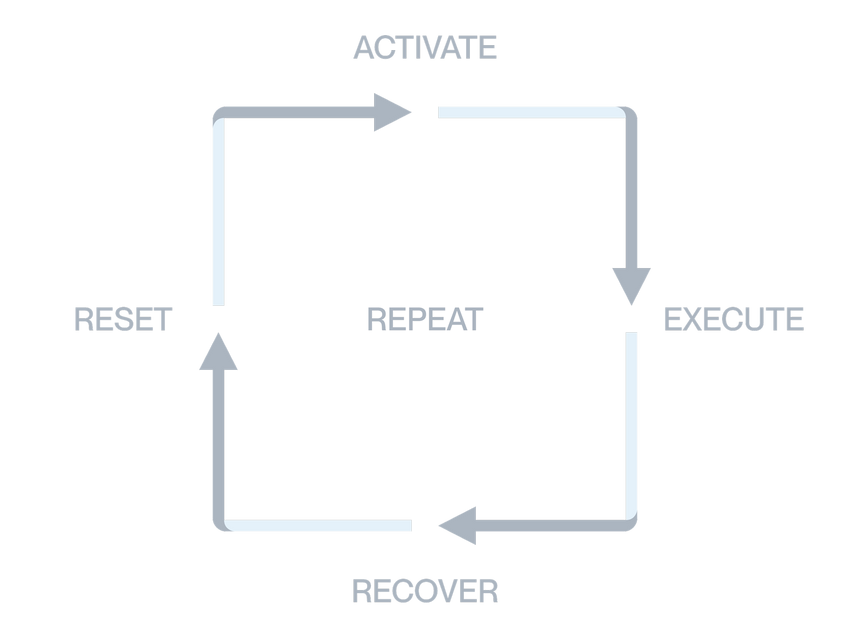
Marco: Activa. Ejecuta. Recupérate. Reinicia.
Activa: claridad mental, impulso neural y calidad del movimiento Ejecuta: estabilidad bajo la fatiga y la presión Recupérate: rápida recuperación parasimpática y protección de los tejidos Reinicia: resiliencia a largo plazo y ventanas de rendimiento predecibles
Respaldado por entrenadores y especialistas
Respaldado por entrenadores y especialistas


Trusted by 1000+ licensed health experts, and users like you
SLEEP
STRESS
HRV

ANXIETY
FOCUS
PRODUCTIVITY

STRESS
PATIENCE
PARENTING

SLEEP
FATIGUE
MENOPAUSE

SLEEP
SNORING

LONG COVID
STRESS
SLEEP

RECOVERY
HRV
SPORTS

GUT
BLOATING
CONSTIPATION

INFLAMMATION
PAIN
SLEEP

Experimenta el futuro de la medicina bioeléctrica
Experimenta el futuro de la medicina bioeléctrica



Conoce a los doctores
Elisabetta, profesional de la salud en ejercicio en el campo de la psiquiatría, cuenta con un MBA de INSEAD Business School y experiencia en atención directa a usuarios, investigación en neurociencia, comunicación y gestión. El Dr. Burchi es médico-científico y trabaja con Parasym en asuntos científicos, con una trayectoria de publicaciones en algunas de las revistas científicas más importantes, como The Lancet, redacción exitosa de propuestas de subvención para los NIH y liderazgo en la producción de material editorial, científico, regulatorio y promocional en equipos multidisciplinarios colaborativos. El Dr. Burchi también ha coordinado estudios científicos e implementado una práctica de telemedicina que recibió una certificación de excelencia entre más de 100,000 profesionales.