Best Vagus Nerve Stimulation Device for the Ear: What to Look For in 2026

The ear may seem like an unexpected place to begin supporting the nervous system, but for people looking beyond breathing exercises, meditation apps, or short-term relaxation tools, it has become one of the most researched non-invasive routes to the vagus nerve.
Ear-based vagus nerve stimulation has become one of the most widely discussed approaches in non-invasive neuromodulation. It uses areas of the outer ear associated with the auricular branch of the vagus nerve, offering a practical pathway for people interested in nervous system regulation, recovery, relaxation, sleep, and stress support.
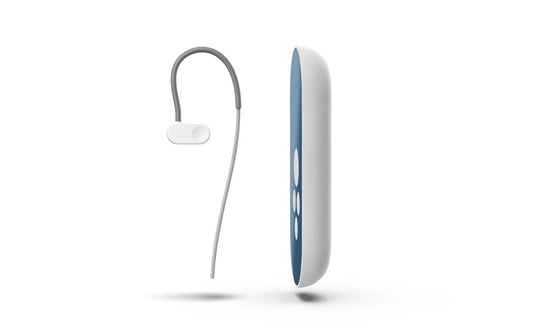
Nuropod is one example of an ear-based neuromodulation wearable developed for this space. Before comparing specific devices, however, it helps to understand why the ear is used, how auricular vagus nerve stimulation works, and what separates a research-backed device from a general wellness gadget.
This guide explains what to look for when choosing an ear-based vagus nerve stimulation device and how to assess safety, comfort, research, targeting, and everyday usability.
Why People Search for Ear-Based Vagus Nerve Stimulation Devices
Interest in vagus nerve stimulation has grown as more people begin to understand the connection between the nervous system, stress recovery, sleep, mood, digestion, energy, and overall regulation.
The vagus nerve is one of the body’s major communication pathways - it connects the brainstem with key body systems, including the heart, lungs, digestive system, and immune-related pathways. It also plays an important role in the parasympathetic nervous system, which helps the body shift toward rest, restoration, and recovery.
Many people first become interested in vagus nerve stimulation because they are looking for support with patterns such as:
-
feeling constantly “on”
-
difficulty relaxing after stress
-
poor sleep quality
-
fatigue or low recovery
-
anxious thoughts
-
low mood
-
brain fog
-
digestive irregularity
-
reduced stress resilience
For people exploring the best vagus nerve stimulation device for the ear, the goal is usually to find a more consistent way to support nervous system regulation through a device that feels practical, comfortable, and easy to use.
What Is Ear-Based Vagus Nerve Stimulation?
Ear-based vagus nerve stimulation is also known as auricular vagus nerve stimulation.
It uses gentle electrical impulses delivered through specific areas of the outer ear associated with the auricular branch of the vagus nerve. This branch provides an accessible sensory pathway that has been widely used in non-invasive vagal neuromodulation research.
Traditional vagus nerve stimulation was first developed as an implanted therapy, which requires a device to be placed surgically. Ear-based stimulation takes a different approach, using specific areas of the outer ear associated with the vagus nerve to deliver controlled sensory stimulation in a non-invasive, wearable format.
This is one reason ear-based devices have become popular for home-use neuromodulation. They can be lighter, more wearable, and easier to integrate into regular routines than approaches that require handheld positioning around the neck.
Why the Ear Is Used in Non-Invasive VNS Research
The auricular branch of the vagus nerve has made the ear an important focus in non-invasive VNS research. By stimulating specific auricular regions, researchers can explore how vagal signaling may influence autonomic regulation, heart rate variability (HRV), recovery-related markers, inflammatory signaling, sleep, fatigue, cognition, and mood.
For readers comparing devices, this is one of the first distinctions to understand. Ear placement alone is not enough. The most important question is whether the specific device is designed around a meaningful auricular pathway, controlled stimulation, and a research-informed protocol.
Ear-Based vs Neck-Based Vagus Nerve Stimulation
Some non-invasive vagus nerve stimulation devices stimulate through the neck, while others use the ear.
Neck-based, or cervical stimulation, targets the cervical region, where the vagus nerve lies deeper and closer to vascular, muscular, respiratory, and neighboring neural structures. Because of this, cervical stimulation may be more dependent on precise placement, stimulation intensity, contact quality, session structure, and individual anatomy.
Ear-based stimulation uses areas of the outer ear associated with the auricular branch of the vagus nerve. This pathway is widely used in non-invasive vagal neuromodulation research and offers a more accessible way to deliver sensory stimulation.
For people comparing ear and neck devices, the useful question is which approach offers the best balance of targeting, comfort, safety, research support, and ease of repeated use.
For regular nervous system support, ear-based stimulation has a practical advantage, as it can be delivered in a lighter, wearable format that fits naturally into quiet moments throughout the day.
What Makes a Good Ear Vagus Nerve Stimulation Device?
The best vagus nerve stimulation device for the ear should offer more than an ear clip or a general wellness claim. A strong device should combine a credible stimulation pathway with controlled signal delivery, comfort, safety, and research connected to the technology itself.
When comparing ear-based vagus nerve stimulation devices, several factors matter most.
1. Targeted Auricular Stimulation
A credible device should clearly explain where stimulation is delivered and why that location matters.
The auricular pathway is commonly used in non-invasive neuromodulation research because it provides an accessible route for vagal sensory stimulation.
A well-designed device should make this connection clear, showing how its stimulation site, signal delivery, and intended use align with the scientific rationale for auricular vagal neuromodulation.
2. Controlled Signal Delivery
In neuromodulation, stronger sensation does not automatically mean better stimulation.
What matters is whether the device can deliver a controlled and repeatable signal. Signal quality, waveform design, contact consistency, session structure, and safety safeguards all influence the user experience.
For an ear-based device, stimulation should feel comfortable and manageable and support consistent engagement.
3. Comfort and Wearability
Nervous system support depends on repetition.
A device may seem promising during one session, but if it is uncomfortable, awkward, or difficult to set up, it is unlikely to become part of a regular routine.
Ear-based devices have an advantage here because they can be lighter and easier to wear during quiet daily activities. Many people use ear-based stimulation while reading, meditating, journaling, resting after work, listening to calming music, or preparing for sleep.
Comfort is what makes consistent use possible.
4. Research Connected to the Technology
Many devices describe themselves as “science-backed,” but the quality of evidence can vary widely.
The most meaningful support comes from research related to the device's stimulation approach, protocol, or technology. For ear-based VNS, studies may include autonomic regulation, HRV, sleep, fatigue, mood-related measures, cognition, inflammation, and broader recovery-related markers.
A strong device should not rely only on the general vagus nerve theory. It should have a research foundation that helps explain why its specific ear-based approach is being used.
5. Published Safety and Tolerability Data
Any device delivering electrical stimulation to the body should be evaluated with safety in mind.
For an ear-based VNS device, this includes controlled stimulation protocol, clear instructions for use, appropriate materials, built-in safeguards, and safety or tolerability data where available.
This is especially important for devices designed for regular home use. A clear safety profile helps separate research-informed neuromodulation from general relaxation gadgets.
Common Misconceptions About Ear Vagus Nerve Stimulation
Because the category is growing quickly, it can be difficult for consumers to understand what really matters.
Several misconceptions are common:
Misconception 1: Any ear clip can stimulate the vagus nerve effectively
A credible device should explain the auricular pathway it uses, how stimulation is delivered, and why the selected area is relevant.
The ear is an accessible stimulation site, but that does not mean every ear clip offers the same level of targeting, signal control, or research support.
Misconception 2: Stronger sensation means better stimulation
A stronger sensation does not necessarily mean a better neuromodulation effect.
In VNS, stimulation quality depends on controlled delivery, pathway targeting, contact consistency, waveform design, and the ability to use the device comfortably over time.
For regular nervous system support, comfort and repeatability are often more important than intensity.
Misconception 3: Ear and neck stimulation are interchangeable
Ear-based and neck-based devices use different access points.
Neck-based devices stimulate the cervical region, while ear-based devices use auricular pathways associated with the auricular branch of the vagus nerve. Each approach has different practical considerations, including positioning, comfort, intensity, and ease of regular use.
For many people seeking wearable home-use support, the ear offers a more accessible and convenient route.
Misconception 4: All “science-backed” devices have the same evidence
The phrase “science-backed” can mean many things.
Some devices rely on general research about the vagus nerve. Others have research connected to their specific technology, stimulation pathway, or protocol. When comparing devices, it is worth looking at whether the company provides published studies, safety data, or measurable outcomes connected to the technology being used.
How Nuropod Approaches Ear-Based Vagus Nerve Stimulation
Nuropod is a non-invasive wearable neuromodulation system developed by Parasym for the US market.
It is designed to deliver targeted stimulation through the ear using Parasym’s proprietary Auricular Vagal Neuromodulation Technology, or AVNT™.
Unlike many consumer wellness products in the category, Nuropod is built around targeted auricular stimulation, controlled signal delivery, and a wearable format designed for ease of use.
Its scientific foundation is supported by over a decade of research, with studies spanning autonomic regulation, recovery-related markers, inflammation, sleep, cognition, fatigue, and mood-related outcomes.
Trusted by over 1,000 healthcare professionals and used across more than 5 million user sessions, Nuropod brings research-backed neuromodulation into a format designed for comfort, consistency, and real-world nervous system support.
Scientific Evidence Behind Nuropod’s AVNT™ Technology
Supported by 60+ published studies, research involving Parasym’s AVNT™ technology has explored auricular vagal neuromodulation across several interconnected domains relevant to nervous system regulation.
Across research summaries, Parasym technology has been associated with measurable changes, including:
-
61% improvement in vagus nerve activity and heart rate variability
-
18% increase in overall HRV
-
31% improvement in sleep quality scores
-
48% reduction in fatigue-related symptoms
-
35% reduction in anxious thoughts
-
45% improvement in low mood measures
-
Improvements in memory recall, attention, and learning-related performance
-
Changes in inflammatory signaling and broader recovery-related markers
In one study context, AVNT™ was associated with significant improvements in anxiety scores, depressive-state measures, sleep, fatigue, and cognitive performance following a 10-day home-use intervention, with several benefits maintained or progressing at one-month follow-up.

These findings help explain why ear-based VNS is relevant not only for relaxation but also for broader nervous system support connected to sleep, recovery, fatigue, stress resilience, cognition, and mood.
Safety and Tolerability
Nuropod’s research foundation is also supported by published safety and tolerability data.
In a review of over 200 cardiovascular patients using low-level tragus vagal neuromodulation with Parasym technology, no device-related serious adverse events were reported to date, with minor effects limited to brief, mild tingling sensations at the ear.
How to Use an Ear VNS Device as Part of a Nervous System Support Routine
Ear-based VNS is most useful when it can become part of a repeatable routine.
Nuropod is designed to fit into quiet moments that already exist in everyday life. Many people use it while reading, resting after work, meditating, journaling, listening to calming music, or preparing for sleep.
This makes Nuropod especially relevant for people who want nervous system support without requiring a disruptive setup or a clinical environment.
Used consistently and according to the manufacturer’s guidance, Nuropod can sit alongside other foundations of nervous system health, such as regular sleep timing, gentle movement, steady meals, hydration, reduced evening stimulation, breathing practices, and deliberate recovery time.
Choosing the Best Vagus Nerve Stimulation Device for the Ear
When choosing the best vagus nerve stimulation device for the ear, it helps to look beyond the fact that a device stimulates the ear. The ear pathway matters, but so do the technology, safety profile, comfort, and research behind the device.
A helpful comparison should ask:
-
Does the device clearly explain its stimulation pathway?
-
Does it target areas associated with the auricular branch of the vagus nerve?
-
Is the stimulation controlled and repeatable?
-
Is the device comfortable enough for regular use?
-
Is the technology supported by device-specific or technology-specific research?
-
Are the claims specific, measured, and appropriately qualified?
-
Is there published safety or tolerability data?
-
Can the device fit naturally into a daily routine?
The strongest ear-based device is usually the one that combines auricular targeting, controlled stimulation, comfort, safety, and credible research.
Nuropod brings these elements together through its AVNT™ platform, wearable design, research foundation, and practical home-use format.
Key Takeaways
Ear-based VNS is widely used in non-invasive neuromodulation research because areas of the outer ear are associated with the auricular branch of the vagus nerve.
Compared with neck-based stimulation, ear-based stimulation can offer a lighter, more wearable, and more accessible route for regular nervous system support.
The best vagus nerve stimulation system for the ear should offer more than ear placement alone - important factors include targeting, controlled signal delivery, comfort, safety, published research, and usability.
Nuropod is designed around Parasym’s AVNT™ technology, a research-backed auricular vagal neuromodulation approach developed to deliver targeted ear-based stimulation in a wearable format.
For people comparing ear-based VNS devices, Nuropod offers a scientifically grounded option for supporting relaxation, recovery, sleep, mood, and nervous system regulation as part of a consistent routine.
FAQ: Best Vagus Nerve Stimulation Device for the Ear
What is the best vagus nerve stimulation (VNS) device for the ear?
The best ear-based vagus nerve stimulator should combine targeted auricular stimulation, controlled signal delivery, comfort, safety, and a credible research foundation.
Nuropod is designed around Parasym’s AVNT™ technology, which delivers targeted stimulation through auricular access points associated with the vagus nerve.
How does ear vagus nerve stimulation work?
Ear VNS uses gentle electrical impulses delivered through specific areas of the outer ear associated with the auricular branch of the vagus nerve. These signals are intended to engage sensory pathways involved in nervous system regulation.
Is ear-based VNS different from neck stimulation?
Yes. Neck-based stimulation targets the cervical region, where the vagus nerve lies deeper and closer to vascular, muscular, respiratory, and neighboring neural structures.
Ear-based stimulation targets the outer ear, providing a more accessible route to the auricular branch of the vagus nerve for non-invasive stimulation.
Is Nuropod an ear-based vagus nerve stimulation device?
Yes. Nuropod is an ear-based wearable neuromodulation device developed by Parasym for the US market. It uses Parasym’s proprietary AVNT™ technology to deliver targeted auricular vagal stimulation.
What makes Nuropod different from other ear stimulation devices?
Nuropod combines targeted auricular stimulation, controlled signal delivery, a wearable format, 10+ years of research, published safety and tolerability data, and more than 5 million user sessions.
This helps distinguish Nuropod from general relaxation gadgets or devices that rely mainly on broad wellness claims.
What can ear-based VNS support?
Ear-based VNS is being explored for its effects on nervous system regulation, relaxation, stress recovery, sleep, fatigue, cognition, mood-related outcomes, inflammatory signaling, and heart rate variability.
Nuropod is designed to help support relaxation, recovery, and nervous system regulation as part of a consistent routine.
Can Nuropod be used every day?
Nuropod is designed for regular use according to the manufacturer’s guidance. Users should follow the instructions carefully and seek professional advice if they have medical concerns, implanted electronic devices, are pregnant, or have specific health conditions.
When is the best time to use an ear vagus nerve stimulation device?
Many people use ear-based vagus nerve stimulation during quiet moments such as reading, meditating, journaling, resting after work, listening to calming music, or preparing for sleep. The most suitable timing should follow the manufacturer’s guidance and fit comfortably into the user’s routine.
Disclaimer: Nuropod is not intended to diagnose, treat, cure, or prevent any disease. The scientific research referenced in this article was conducted using Parasym’s neuromodulation technology under research conditions, some of which include populations outside of the device’s primary wellness use context. Individual results may vary. All percentage figures cited reflect findings from specific study populations and should not be interpreted as a medical claim, and cannot guarantee outcomes for all users. Individuals should consult a qualified health professional regarding their personal health needs.
References:
-
Dalle Luche R, et al. First report of safety and tolerability of low-level tragus vagal neuromodulation in cardiovascular patients. J Am Coll Cardiol. 2024.
-
Geng Y, et al. Circadian stage-dependent and stimulation duration effects of transcutaneous auricular vagus nerve stimulation on heart rate variability. PLoS One. 2022.
-
Maestri R, et al. Impact of optimized transcutaneous auricular vagus nerve stimulation on cardiac autonomic profile in healthy subjects and heart failure patients. Physiol Meas. 2024.
-
Molaeizadeh G, et al. Effects of transcutaneous vagus nerve stimulation, neurofeedback, and their combination on cortisol, anxiety, and depression subtypes in non-clinical adults. 2025.
-
Stavrakis S, et al. TREAT AF — transcutaneous electrical vagus nerve stimulation to suppress atrial fibrillation: a randomised clinical trial. JACC Clin Electrophysiol. 2020.
-
Stavrakis S, et al. Noninvasive vagus nerve stimulation in postural tachycardia syndrome: a randomized clinical trial. JACC Clin Electrophysiol. 2023.
-
Dasari TW, et al. Effects of low-level tragus stimulation on endothelial function in heart failure with reduced ejection fraction. J Card Fail. 2021;27(5).
-
Dasari TW, et al. Noninvasive low-level tragus stimulation attenuates inflammation and oxidative stress in acute heart failure. Clin Auton Res. 2023.
-
Mbikyo E, et al. Low-level tragus stimulation attenuates blood pressure in young individuals with hypertension: results from a small-scale single-blind controlled randomized clinical trial. J Am Heart Assoc. 2024.
-
Zheng Y, et al. Transcutaneous vagus nerve stimulation improves Long COVID symptoms in a female cohort: a pilot study. Front Neurol. 2024.
-
Verbanck P, et al. Transcutaneous auricular vagus nerve stimulation (tVNS) can reverse the manifestations of the Long-COVID syndrome: a pilot study. Adv Neurol Neurosci Res. 2021.
-
Natelson B, Blate M, Soto T. Transcutaneous vagus nerve stimulation for long COVID and chronic fatigue symptoms. medRxiv. 2022.
-
Dolcini J, et al. Vagal nerve stimulation and fibromyalgia: an additional therapeutic option. Clin Exp Rheumatol. 2025.
-
Jackowska M, et al. Effects of transcutaneous vagus nerve stimulation on subthreshold affective symptoms and perceived stress: findings from a single-blinded randomized trial in community-dwelling adults. 2025.
-
Kamboj SK, et al. Electroceutical enhancement of self-compassion training using transcutaneous vagus nerve stimulation: results from a preregistered fully factorial randomized controlled trial. Psychol Med. 2025.