Does Dehydration Lower HRV? Hydration, Recovery & Heart Rate Variability

Key Takeaways
-
Losing fluid through exercise, heat, or illness can lower heart rate variability (HRV), which is how much the time between heartbeats varies and a sign of how well the body handles stress. A smaller blood volume forces the heart to beat faster to keep blood moving.
-
HRV ranges vary widely with age and fitness, so a person’s own morning-to-morning trend reveals far more than any comparison with someone else.
-
Rehydration helps HRV recover over several hours rather than minutes, so a morning reading after heavy sweating may sit below a person’s usual level.
-
Sleep, stress, alcohol, and physical training also affect HRV, so a low score is rarely proof of dehydration on its own.
-
Nuropod clips onto the tragus, the part of the outer ear where the vagus nerve reaches the skin. The vagus nerve carries signals between the brain and organs, including the heart. Nuropod uses Parasym’s proprietary AVNT™ waveform. In clinical studies, heart rate variability increased by an average of 18%.*
What Happens When the Body Loses Fluid?
Dehydration can lower heart rate variability (HRV), how much the time between heartbeats varies, which is a sign of how well the body handles stress. However, the effect depends on how much fluid is lost and under what conditions. Dehydration itself sets in when the body loses more fluid than it takes in, and it can build faster than people expect.
The body treats that shortfall as a priority. The kidneys start holding on to water, thirst builds, and the brain and heart adjust to keep blood pressure steady with less fluid in circulation. Those adjustments run through the same nervous system that influences each heartbeat, which is why losing fluid can lower HRV.

What Does HRV Measure?
HRV, or heart rate variability, measures how much the time between heartbeats varies, indicating how well the body handles stress. The heart does not tick like a clock: each gap between beats stretches or shortens slightly with breathing and with signals from the nervous system. Those small shifts reflect the body moving between fight-or-flight and rest-and-digest.
Because so much affects it, HRV works best as a personal trend tracked under similar conditions, such as first thing in the morning, rather than a target to hit. Normal ranges also differ widely with age and fitness, so a 45-year-old marathon runner and a 25-year-old who lifts weights twice a week can have very different numbers. Comparing scores between people says little.
How Dehydration Affects Heart Rate Variability

Sweat is drawn partly from the blood, so heavy sweating leaves the heart with less fluid to pump and more work to do.
Dehydration tends to lower HRV by adding strain to the heart and blood vessels. As fluid is lost through sweat, the volume of blood in circulation drops, leaving the heart with less to work with as it supplies both the muscles and the skin, where the body releases heat.
To keep blood flowing, the heart beats faster, and the body tends to lean toward its fight-or-flight response, a pattern that often shows up as lower HRV. The effect appears clearest when fluid is lost through exercise, heat, or heavy sweating, though even small fluid losses have been linked to lower HRV.
Can Rehydrating Bring HRV Back Up?
Rehydrating usually helps HRV return toward its usual range, though not straight away. Replacing lost fluid restores blood volume and eases the strain on the heart, but the body still needs time to rebalance and let the nervous system settle. A glass of water after a hot workout will not lift HRV within minutes, and recovery tends to take hours.
Drinking during exercise also seems to help, since replacing lost fluid tends to keep heart rate lower and HRV higher once the session ends. Whether someone follows a drinking plan or simply drinks when thirsty matters less than being fully rehydrated by the time HRV is measured.
Because recovery takes hours, the morning after a hot, sweaty day is a poor time to judge a long-term trend.

Sweat carries away salt as well as water, which is one reason heavy sweating affects the body more than the water loss alone suggests.
Other Factors That Influence HRV
Many things influence HRV besides hydration, so a low reading rarely points to dehydration alone. Sleep the night before, alcohol, recent training, heat, illness, emotional stress, and travel can all lower it, as can a meal close to the reading.
How you take the reading matters too, including posture and time of day. That is why a low score after a hard session in the heat cannot be put down to fluid loss alone, since the effort and the heat affect the same measures.
Reading Your HRV Beyond Hydration, and Where Nuropod Fits In

Nuropod is noninvasive, with no gel, clinic visit, or prescription needed.
Dehydration can lower HRV by reducing blood volume and making the heart work harder, and the effect usually fades over several hours once fluid is replaced. Because sleep, stress, alcohol, and training affect the same measure, a single low reading after a hot day says little on its own. A trend across several mornings, taken under similar conditions, gives a far clearer picture.
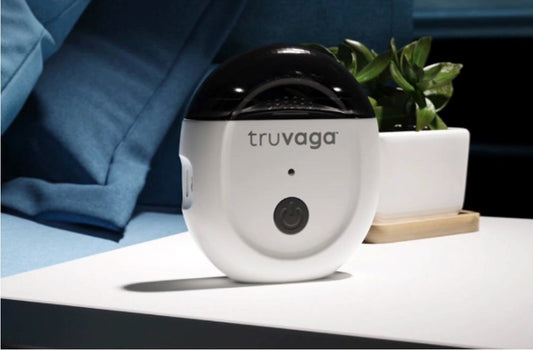
Nuropod is a small wearable with an earpiece that clips onto the tragus, the part of the outer ear just in front of the ear canal, where the vagus nerve reaches the skin. It sends gentle electrical pulses through that point using Parasym’s proprietary AVNT waveform. In clinical studies, heart rate variability increased by an average of 18%.* See how Nuropod fits your day, with our 30-day return guarantee.*
Frequently Asked Questions (FAQs)
Can drinking more water improve HRV?
Drinking water can help HRV recover after fluid loss from exercise, heat, or illness. Beyond that, there is no clear evidence that drinking extra water raises HRV, since many other factors shape the reading.
How long does HRV take to recover after heavy sweating?
Recovery usually takes several hours rather than minutes. Replacing lost fluid restores blood volume, but the nervous system still needs time to settle, so a reading the morning after a hot, sweaty day may sit below a person’s usual level.
Does caffeine affect HRV the same way dehydration does?
Not quite. Caffeine stimulates the nervous system, while dehydration mainly reduces blood volume and strains the heart. Studies disagree on whether caffeine raises or lowers HRV, so measuring before the first coffee of the day keeps it out of the result either way.
What is the main cause of low HRV?
There is no single main cause. In everyday life, short or poor sleep, ongoing stress, alcohol, hard training, and fluid loss can all lower a reading. Health conditions and medications can also affect HRV, so anyone concerned about readings that stay low should speak with a health professional. A pattern across several days says more than any single low score.
What makes Nuropod credible?
Nuropod is the most studied wearable vagus nerve stimulation device. It uses Parasym’s AVNT technology, tested in 60+ completed clinical studies with 150+ research partners, and 100+ ongoing clinical studies are underway. That technology is backed by 10+ years of research and development.
*Disclaimer: Nuropod is classified by the FDA as a non-significant risk device and is not intended to diagnose, treat, cure, or prevent any disease. Clinical research referenced in this article was conducted using Parasym's neuromodulation technology under research conditions; individual results may vary. All percentage figures cited reflect findings from specific study populations and should not be interpreted as guaranteed outcomes for all users. Individuals should consult a qualified health professional regarding their personal health needs.