Wearable Vagus Nerve Stimulation Devices: How They Work, Cost & Best Options

Key Takeaways
-
Wearable and non-invasive vagus nerve stimulation devices use electrical pulses delivered at different stimulation sites, including the ear and neck.
-
The vagus nerve is one of the longest nerves in the human body, and it plays a central role in regulating your heart rate, digestion, immune response, and mood.
-
The tragus is partly innervated by the auricular branch of the vagus nerve, making it a site used for non-invasive vagus nerve stimulation.
-
Wearable VNS device prices vary widely. Nuropod is priced at $900, reflecting its proprietary AVNT™ waveform, research backing, and build quality.
-
Some of the best vagus nerve stimulation devices to try include Nuropod, Pulsetto, Xen by Neuvana, Truvaga, and Sona.
-
Nuropod is the most studied wearable vagus nerve stimulation device, trusted by 150+ internationally recognized institutions and 1,000+ healthcare professionals.*
Understanding Wearable Vagus Nerve Stimulation (VNS) Devices
Wearable vagus nerve stimulation devices use low-level electrical pulses delivered at different stimulation sites, including the ear and neck. Auricular devices deliver stimulation to the outer ear, including the tragus, which is partly innervated by the auricular branch of the vagus nerve.
From that access point, the signal travels along the nerve and influences systems that govern heart rhythm, digestion, mood, and how the body handles stress and recovery. VNS was historically delivered primarily through implanted cervical systems.
For people interested in supporting nervous system regulation, the stress response, and recovery, this kind of non-invasive option can be especially appealing. Nuropod is one such small, wearable, non-invasive option, designed to be worn for around 30 minutes, once or twice a day, while working, reading, or watching television.
How Do Wearable VNS Devices Work?
What Does the Vagus Nerve Do?
To understand how VNS devices work, it helps to know what the vagus nerve is and the role it plays in the body.
The vagus nerve carries signals between the brain and organs, including the heart, lungs, and gut. It plays a major role in how the body handles stress, rest, and recovery, which is why supporting it has become a focus of clinical and consumer interest.
The vagus nerve is one of several factors that influence heart rate variability (HRV), the natural variation in time between heartbeats. Age, respiration, posture, fitness, and other factors can also shape HRV, but researchers commonly use it as a marker of rest-and-recovery nervous system activity.
Where the Device Sits
Some wearable vagus nerve stimulation devices clip onto the tragus, the part of the outer ear, because the ear is one of the places on the body where the vagus nerve can be reached without surgery.
This specific region, innervated by the auricular branch, acts as a site for non-invasive vagus nerve stimulation. When electrodes contact the appropriate area, electrical stimulation activates afferent nerve fibers at the point of contact.
The stimulation parameters, including frequency and intensity, can be carefully characterized to deliver controlled electrical pulses.

Some wearable vagus nerve stimulation devices feature an earpiece that can be placed on the tragus.
Potential Effects of Vagus Nerve Stimulation
Stimulation through the ear is designed to support the nervous system that governs rest and recovery. In clinical studies, heart rate variability increased by an average of 18%, IL-6 fell by an average of 78%, and TNF-alpha fell by an average of 23%.
What Using a Wearable VNS Device Looks Like
Wearable VNS devices come in a few different forms, each designed for a specific point on the body where the vagus nerve can be reached. Ear-worn devices are placed at different points on the outer ear, such as the tragus or the cymba concha, depending on the device.
Neck-worn devices are pressed or strapped against the sides of the neck, where the vagus nerve runs alongside the cervical region. A few handheld options also exist, applied briefly to the neck as needed rather than worn continuously.
Using a wearable VNS device is straightforward. With an ear-worn device like Nuropod, you clip the earpiece to your ear, position the electrodes correctly on the tragus, and run a session. No conductive gel, Bluetooth pairing, or surgery is required.
Sessions are typically short and designed to fit into an everyday routine, so the experience stays repeatable and accessible rather than clinical.

Nuropod is a wearable device that delivers controlled electrical pulses to the auricular branch of the vagus nerve through electrodes placed on or in the ear.
How Much Do Wearable VNS Devices Cost?
Wearable vagus nerve stimulation devices sit at a wide range of price points. The gap reflects real differences in the technology, research backing, and build quality behind each device.
What Drives the Cost
-
Waveform Technology: Devices built on proprietary waveforms developed through dedicated research programs cost more to produce than those using generic electrical outputs.
-
Research Foundation: Peer-reviewed clinical studies, third-party research partners, and long-term testing are expensive to build. Devices with a documented research base tend to sit at the higher end of the range.
-
Ongoing Subscription Costs: Some devices require app subscriptions or ongoing service fees on top of the hardware price, which can more than double the total cost of ownership over a year.
Nuropod is priced at $900. It is HSA/FSA eligible in the United States, ships free, and includes a 30-day return guarantee, giving users time to try it before deciding to keep it. No app subscriptions, ongoing service fees, or additional charges apply after purchase.
Vagus Nerve Stimulation Devices: Best Options
1. Nuropod
Priced at $900 in the United States, Nuropod is a research-backed option in the auricular VNS category. It targets the auricular branch of the vagus nerve at the tragus using a proprietary waveform tested in randomized, placebo-controlled studies.
Over 10,000 hours have been invested in developing and refining the technology, giving it one of the deepest research foundations of any consumer device in the space.*
In clinical studies, vagus nerve activity increased by an average of 61%.* In clinical studies, gastrointestinal symptoms improved by an average of 80%.* The combination of research depth, wellness credibility, and ease of access makes it a solid pick.
In addition to 5M+ user sessions, notable public users like Bryan Johnson have shared their experience with Nuropod, including using an ear electrode as part of his routine to support nervous system regulation and recovery.* In the UK and EU, where the device is sold as Nurosym, it has a 4.3/5 Trustpilot rating from 1,000+ reviews.
“I put a little electrode here in my ear. It stimulates my autonomic nervous system, trying to make my body more parasympathetic, more chill.” — Bryan
2. Pulsetto
Pulsetto is a neck-worn device that delivers vagus nerve stimulation through electrodes pressed against the sides of the neck. It runs 4-minute sessions guided by a companion app and comes in two versions, Pulsetto Lite ($269) and Pulsetto FIT ($296).
Both use conductivity gel between the skin and electrodes. The app includes stress, sleep, and pain programs, with a paid subscription unlocking a broader library of guided sessions. It has a 4.2/5 Trustpilot rating from 3,000+ reviews.
3. Xen by Neuvana
Xen by Neuvana is an ear-worn device that pairs vagus nerve stimulation with audio playback. Users wear specialized earbuds connected to a pocket-sized generator, with the earbuds delivering stimulation to the auricular branch while also playing audio.
The device can pair with audio platforms including Spotify and Apple Music. Xen is currently priced at around $449 in the United States, with sessions typically lasting 15 to 30 minutes. The device has a 4.0/5 Trustpilot rating from 47 reviews.
4. Truvaga
Truvaga is a handheld vagus nerve stimulator from ElectroCore that uses two electrodes placed against the side of the neck for two-minute sessions. It requires a conductive electrode solution to ensure contact between the electrodes and skin.
It comes in two versions: the Truvaga 350 costs $325 and comes preloaded with 350 sessions, while the rechargeable Truvaga Plus costs $499 and offers unlimited sessions with app connectivity. Both Truvaga 350 and Truvaga Plus have a 4.5/5 rating on their product pages.
Vagus Nerve Stimulation Devices: Summary Table
|
Name |
Placement |
Notable Design |
Rating |
Price |
|
Nuropod |
Ear (tragus) |
Proprietary AVNT waveform; no gel; FCC compliant; HSA/FSA eligible |
4.3/5 Trustpilot (1,000+ reviews)* |
$900 |
|
Pulsetto |
Neck |
App-guided 4-minute sessions; requires conductivity gel; subscription unlocks the full program library |
4.2/5 Trustpilot (3,000+ reviews) |
$269–$296 |
|
Xen by Neuvana |
Ear (left earbud) |
Combines vagus nerve stimulation with audio; pairs with Spotify, Apple Music, and podcasts |
4.0/5 Trustpilot (47 reviews) |
~$449 |
|
Truvaga |
Neck (handheld) |
Two versions: 350 preloaded sessions or rechargeable Plus; requires conductive solution/spray |
4.5/5 on product pages |
$325–$499 |
Why Nuropod Stands Out Among Wearable Vagus Nerve Stimulation Devices

Nuropod is designed around proprietary neuromodulation technology backed by scientific research.
Wearable vagus nerve stimulation offers a practical, non-invasive way to interact with the systems that govern stress, recovery, and daily nervous system health. The category has grown quickly in recent years, but not every product carries the same technology, research foundation, or manufacturing quality.
Nuropod uses AVNT, our proprietary, clinically tested waveform, backed by 10+ years of research and development and 60+ completed clinical studies.* Buyers in the United States get free shipping, HSA/FSA eligibility, and a 30-day return guarantee on every purchase. For anyone looking to bring evidence-based neuromodulation into a daily routine, Nuropod is a credible, research-supported option. Shop Nuropod today.
Frequently Asked Questions (FAQs)
What is the best wearable device for stimulating the vagus nerve?
The best wearable VNS device targets an appropriate stimulation site with clinically studied and characterized stimulation parameters. On that basis, Nuropod is among the most credible options currently available to consumers.
Does insurance cover vagus nerve devices?
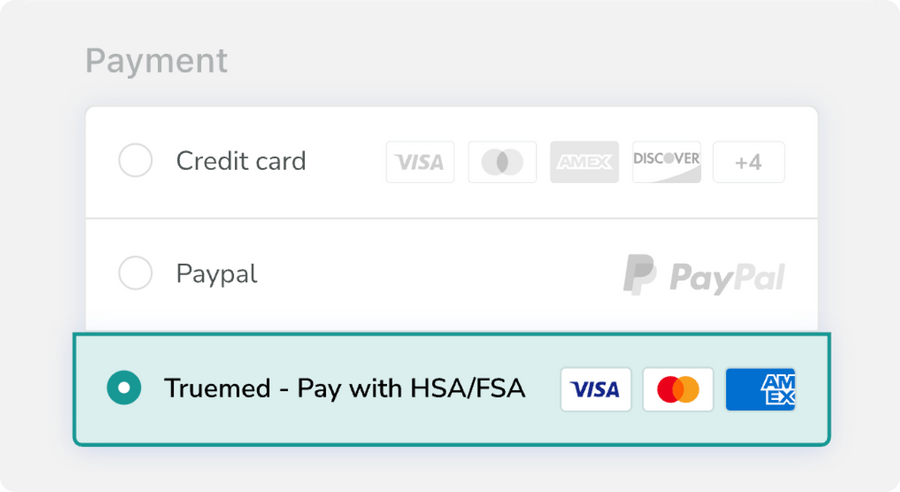
Most standard health insurance plans in the United States do not cover consumer wearable vagus nerve stimulation devices. However, many are HSA/FSA eligible, meaning they can be paid for with pre-tax dollars through a Health Savings Account or Flexible Spending Account. Nuropod is HSA/FSA eligible in the United States and can be purchased through Truemed at checkout.
Do wearable vagus nerve devices actually work?
Wearable vagus nerve stimulation devices vary widely in technology quality and the research behind them. Devices supported by peer-reviewed, technology-specific clinical research and clearly characterized stimulation parameters tend to be the most credible options, since their effects have been examined under controlled conditions. Nuropod is the most studied wearable vagus nerve stimulation device, with 60+ completed clinical studies, 100+ ongoing clinical studies underway, and 150+ research partners.*
How often should I use Nuropod?
We designed Nuropod to fit into everyday life, with most people using it for 30 minutes once or twice a day. Sessions integrate easily with non-intensive activities like working, reading, or watching television. Using it daily is generally recommended to make it a steady part of your routine.
*Disclaimer: Nuropod is classified by the FDA as a non-significant risk device and is not intended to diagnose, treat, cure, or prevent any disease. Clinical research referenced in this article was conducted using Parasym's neuromodulation technology under research conditions; individual results may vary. All percentage figures cited reflect findings from specific study populations and should not be interpreted as guaranteed outcomes for all users. Individuals should consult a qualified health professional regarding their personal health needs.