Can Overtraining Lower HRV? Training Load, Fatigue & Recovery

Key Takeaways
-
Overtraining lowers heart rate variability (HRV) by keeping your body stuck in fight or flight, preventing full recovery, and flattening the natural variability that reflects a well-functioning nervous system.
-
Signs of high training load include HRV trending below baseline for three to four weeks, resting heart rate climbing more than 5 BPM above normal across consecutive mornings, and worsening performance.
-
Fatigue, disrupted sleep, mood changes, and weakened immunity are downstream effects of overtraining, often appearing before athletes recognize the training load as the cause.
-
Recovery requires structured rest, prioritizing sleep, reducing intensity before volume, and addressing life stressors that pull from the same nervous system resources as training.
-
Nuropod fits naturally into an athlete's recovery routine, delivering gentle vagus nerve stimulation (VNS) that supports the same rest-and-digest response training breaks down.
What is the Link Between HRV & Overtraining?
Overtraining can lower HRV, and it usually shows up before you feel the physical crash that most athletes associate with pushing too hard.
When training load exceeds recovery capacity for weeks at a time, your body responds by keeping itself in a heightened state of readiness for the next demand, which suppresses the variability between heartbeats that signals a rested nervous system.
HRV, or heart rate variability, is how much the time between your heartbeats varies from beat to beat, and it is one of the more reliable signs of how well your body handles stress and recovers from it. Higher HRV usually reflects a resilient, well-recovered body, while lower HRV points to incomplete recovery or accumulated strain.

What Overtraining Does to Your Autonomic Nervous System
Your autonomic nervous system has two branches: the fight or flight and the rest-and-digest. Healthy training creates a cycle. You stress the system with a workout, then the rest-and-digest branch takes over during recovery, rebuilding and adapting.
Overtraining breaks that cycle. When training load is chronically too high and recovery is insufficient, the fight or flight nervous system stays activated. Your body never fully shifts into repair mode.
This sustained fight or flight dominance suppresses rest-and-digest activity, and HRV falls as a direct result. HRV tends to reflect how well the rest-and-digest branch is recovering.
Warning Signs Your Training Load Is Too High
HRV Trending Below Your Personal Baseline
A single low HRV morning isn't a crisis. It could be a bad night of sleep, a stressful day, or a heavy training session the day before. What matters is the trend. When your HRV sits meaningfully below your personal baseline for three to four consecutive weeks, that's a physiological red flag.
Elevated Resting Heart Rate
HRV and resting heart rate (RHR) are closely linked, and they tend to move in opposite directions when overtraining sets in. A combination of suppressed HRV and an RHR that's climbing, particularly more than 5 beats per minute above your usual morning reading, is a strong dual signal that your nervous system is under significant stress.
This pattern can also appear with acute illness or anxiety, which is why tracking trends over days and weeks, rather than reacting to single readings, is always the smarter approach.
Performance Stalling
If your pace is slowing, your lifts are going backward, or your perceived effort for the same workload is climbing, your body is telling you the training stimulus has crossed from productive stress into damaging stress. More volume or intensity at this point deepens it.
Sleep Degradation, Low Mood, & Weakened Immunity

Training too hard can affect your mood and your immune response.
Overtraining spreads into every system, and sleep quality is often one of the first casualties. Despite feeling exhausted, overtrained athletes frequently report difficulty falling asleep, staying asleep, or waking up feeling unrestored.
Mood changes and immune suppression follow close behind. Irritability, lack of motivation, and a general flatness toward training you once enjoyed are well-documented psychological markers of overtraining syndrome.
Persistent Fatigue That Doesn't Respond to Rest
Overtraining fatigue is different from ordinary training tiredness. Normal fatigue resolves within a day or two of easier work, while overtraining fatigue lingers for weeks or months and persists despite rest rather than lifting.
When your HRV stays suppressed and your resting heart rate has climbed, chronic fatigue is often what you feel on the surface of a nervous system that has not had enough recovery input to reset. Adjusting load before that fatigue becomes chronic is how you avoid a longer layoff later.
If you're experiencing sustained symptoms of overtraining or fatigue that doesn't respond to rest, consult a qualified healthcare professional to rule out underlying conditions.
How to Recover When HRV Has Already Dropped?
1. Try Vagus Nerve Stimulation (VNS)

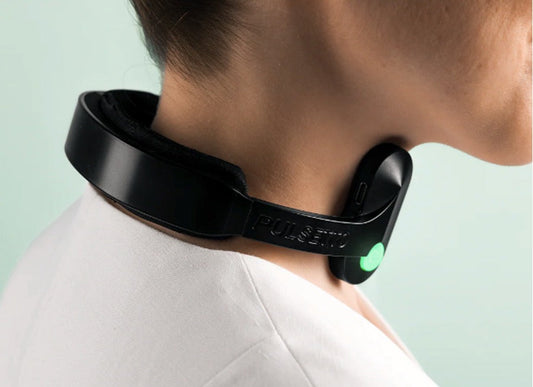
The vagus nerve can be stimulated using wearable devices like Nuropod.
The vagus nerve carries signals between the brain and organs, including the heart, lungs, and gut, and it plays a large part in the rest-and-digest response that recovery depends on. Habits like slow diaphragmatic breathing, cold water on the face, humming, and certain forms of meditation are often suggested for supporting recovery, but these are not the same as direct vagus nerve stimulation and the evidence that they act on the nerve that way is limited.
For a research-backed way to support your nervous system through a training block, Nuropod delivers gentle electrical pulses through the tragus, where the vagus nerve reaches the skin of the ear. In clinical studies, heart rate variability increased by an average of 18%.*
2. Prioritize Rest Days
When HRV has been suppressed for three to four weeks, resist the instinct to stay active with light cross-training or easy sessions.
True rest days, meaning genuine low-activity recovery, allow the fight or flight nervous system to downregulate without adding any new stress signal on top of an already overloaded system. Jumping back into light work too soon can extend the time it takes for HRV to return to baseline.
3. Fix Sleep

Establishing a healthy sleep routine amplifies the effects of other HRV recovery techniques.
Deep slow-wave sleep is widely understood to be when the body releases its largest daily pulse of human growth hormone and when the brain clears metabolic waste built up during the day.
If your sleep is broken, short, or low quality, every other recovery tool you use is working at a fraction of its potential.
4. Reduce Intensity Before Reducing Volume
Dropping intensity first while maintaining some movement frequency preserves the neuromuscular patterns you've built while giving the nervous system the relief it actually needs.
Think of it as turning down the volume knob on your nervous system's stress response, rather than switching everything off and risking detraining.
5. Address Non-Training Stressors That Also Suppress HRV
Your nervous system doesn't separate "training stress" from "life stress." A brutal work deadline, a relationship conflict, poor nutrition, or chronic dehydration all pull from the same autonomic resources your body uses to recover from training.
Audit the full picture when your HRV drops. Are you undereating relative to your training demand? Look at your whole life. Reducing one significant non-training stressor can produce a meaningful HRV rebound even before you change a single thing about your workouts.
Rebuilding HRV Takes Time, Nuropod Supports the Process
Overtraining is often a result of pushing yourself more than your nervous system can recover from over a sustained period, and HRV is the clearest early signal that the balance has tipped. The path back means reducing load, protecting sleep, and addressing life stressors until your baseline resets.
For athletes who want a research-backed way to actively support recovery rather than passively wait it out, wearable vagus nerve stimulation is worth a closer look. We designed Nuropod to be worn for around 30 minutes, once or twice a day, while working, reading, or relaxing at home. It fits alongside training, sleep, and other recovery habits rather than replacing any of them. Shop Nuropod today.
Frequently Asked Questions (FAQs)
Why is my HRV low after exercise?
HRV drops acutely after exercise because physical exertion activates the fight or flight nervous system and temporarily reduces rest-and-digest activity. This is normal. The issue arises when HRV doesn't recover to your baseline within roughly 24 to 72 hours, depending on how hard the session was, or when it trends progressively lower over multiple weeks despite reduced training.
What are the signs that I'm overtraining?
The core signs of overtraining include HRV trending below your personal baseline for three or more consecutive weeks, resting heart rate elevated more than 5 BPM above your norm, declining performance despite consistent effort, disrupted sleep, mood changes, and increased susceptibility to illness. These symptoms don't appear all at once. They tend to accumulate gradually, which is exactly why many athletes miss the early warning window.
What is a concerning low HRV?
HRV is highly individual, so no universal "concerning" number applies to everyone. What matters is your personal baseline. A trend that stays below baseline for three to four weeks, especially paired with elevated resting heart rate and performance decline, is worth discussing with a qualified healthcare professional rather than treating as normal day to day HRV variation.
Should I not work out if my HRV is low?
A single low HRV reading doesn't mean skip your workout entirely, but it does suggest reducing intensity or volume for the day rather than pushing through. If your HRV has trended below baseline for three to four consecutive weeks, that's a stronger signal to take true rest days rather than substitute in "light" sessions that can still keep your nervous system under strain.
Can I use Nuropod daily?
Yes. Most people use Nuropod for around 30 minutes, once or twice a day, while working, reading, or relaxing at home. It is designed to fit naturally into an everyday routine alongside training, sleep, and other recovery habits.
*Disclaimer: Nuropod is classified by the FDA as a non-significant risk device and is not intended to diagnose, treat, cure, or prevent any disease. Clinical research referenced in this article was conducted using Parasym's neuromodulation technology under research conditions; individual results may vary. All percentage figures cited reflect findings from specific study populations and should not be interpreted as guaranteed outcomes for all users. Individuals should consult a qualified health professional regarding their personal health needs.