How to Increase HRV: A Science-Based Guide to Improving Nervous System Balance

Heart rate variability, or HRV, has become one of the most widely discussed markers of recovery, resilience, and nervous system flexibility. For many people searching for how to increase HRV, the goal is not simply to improve a number on a wearable device. It is to understand how the body responds to stress, how well it recovers, and how effectively it can return to balance after strain.
HRV measures the natural variation in time between heartbeats. A healthy heart does not beat with mechanical regularity. Instead, the intervals between beats shift subtly from moment to moment, reflecting how the autonomic nervous system is adapting to sleep, stress, movement, illness, recovery, and emotional load.
This is why learning how to increase HRV requires more than one quick intervention. HRV is shaped by the wider state of the nervous system over time. Sleep, breathing, movement, stress exposure, recovery habits, and vagal activity all contribute to whether the body remains in a more activated state or shifts more easily into rest and regulation.
This article explains what HRV represents, why it can decrease under stress, and how to increase HRV through practical, evidence-informed strategies. It also explores how ear-based vagal neuromodulation, including Nuropod by Parasym, may fit into a broader approach to supporting autonomic balance.
What HRV Represents in the Body
Before looking at how to increase HRV, it is important to clarify what HRV does and does not mean. HRV is not a direct measure of fitness, mood, or overall health. It is better understood as a marker of autonomic flexibility: the nervous system's ability to respond to demand and then return toward recovery.
The autonomic nervous system has two major branches. The sympathetic branch supports alertness, energy, and action. The parasympathetic branch supports rest, digestion, recovery, and repair. Both are necessary. The goal is not to suppress stress entirely, but to move flexibly between activation and recovery.
When parasympathetic influence is responsive, the heart naturally varies more from beat to beat. This is generally reflected in higher HRV. When the body remains under sustained stress or sympathetic load, HRV during sleep may decrease because the system has less flexibility available.
For this reason, HRV is most useful as a personal trend over time. Age, sex, genetics, medication, fitness level, sleep, and baseline autonomic patterns all influence HRV. The most meaningful question is usually not whether one person’s HRV is higher than another’s, but whether the individual pattern is improving, declining, or becoming more stable.
Why HRV Can Decrease During Stress
HRV is highly sensitive to cumulative physiological load. Poor sleep, emotional strain, overwork, illness, dehydration, alcohol, heavy training, and prolonged cognitive stress can all reduce HRV by placing more demand on the autonomic nervous system.
These influences are often additive. A single poor night of sleep may affect HRV temporarily, but repeated nights of poor recovery, high stress, and insufficient downtime can shift the nervous system into a more persistently activated state.
This is why short-term HRV “hacks” often produce inconsistent results. A single breathing session or recovery tool may help in the moment, but sustainable improvements usually reflect what happens across days and weeks. For people exploring how to increase HRV, consistency matters more than intensity.
How to Increase HRV Score Naturally
Lifestyle foundations remain the starting point for improving HRV. These approaches work by reducing unnecessary sympathetic activation and supporting parasympathetic activity more consistently.
Slow Breathing to Support HRV
Slow, steady breathing is one of the simplest ways to influence HRV. Breathing affects heart rhythm through respiratory sinus arrhythmia, the natural rise and fall in heart rate that occurs with each breath.
The most useful approach is usually gentle and repeatable rather than effortful. A comfortable pace, slightly longer exhales, and regular practice may help support parasympathetic activity and encourage the body to return toward baseline.
Regular Movement Without Overtraining
Physical activity can support HRV, but the dose matters. Moderate, consistent movement is generally associated with better autonomic regulation, while excessive training without enough recovery can suppress HRV over time.
Walking, strength training, mobility work, yoga, and low-to-moderate cardio can all be useful when balanced with rest. From an autonomic perspective, recovery capacity matters as much as exertion itself.
Better Sleep Timing and Evening Recovery
Sleep is one of the strongest influences on HRV. During deeper sleep, parasympathetic activity tends to increase, allowing the body to recover more effectively.
For those looking at how to increase HRV during sleep, timing and consistency matter. A stable sleep-wake rhythm, reduced evening stimulation, lower alcohol intake, and a calming pre-sleep routine can all help create conditions that support overnight recovery.
Lowering Sensory and Cognitive Load
The nervous system is constantly processing input. Sound, light, multitasking, screen use, emotional pressure, and unpredictable routines can all add to background load.
Reducing unnecessary stimulation may make it easier for the body to shift toward recovery. This does not require a perfect environment. It simply means reducing the amount of input the system has to process, especially during times intended for rest.
Nutrition, Hydration, and Recovery Rhythm
Regular meals, hydration, morning light exposure, and predictable daily rhythms also support autonomic regulation. These may appear simple, but HRV is highly sensitive to the body’s perception of stability and recovery.
When the body is underfed, dehydrated, sleep-deprived, or constantly rushed, HRV often reflects that strain.
Vagus Nerve Stimulation and HRV Improvement: Moving Beyond Indirect Support
Lifestyle strategies influence HRV by improving the conditions for recovery. Neuromodulation takes a different approach by engaging neural pathways involved in autonomic regulation more directly.
Historically, vagus nerve stimulation was only possible through surgically implanted cervical devices. Newer non-invasive approaches have expanded access to vagal neuromodulation, including systems that stimulate the vagal nerve externally via the neck or ear.
This distinction matters: many cervical or neck-based devices are handheld and designed for more episodic use. They are typically intended for specific applications, shorter sessions, and direct manual stimulation. In contrast, ear-based auricular vagus nerve stimulation devices support a different practical model, as they can be delivered in a wearable format better suited to low-level, repeatable daily use and long-term neuromodulation.
For HRV, this is especially relevant, since HRV usually reflects cumulative autonomic regulation over time rather than a single isolated intervention. A consistent, ear-based approach may therefore align better with how HRV adapts to repeated inputs.
Meet Nuropod: Ear-Based Neuromodulation Built on 10+ Years of Research to Support HRV
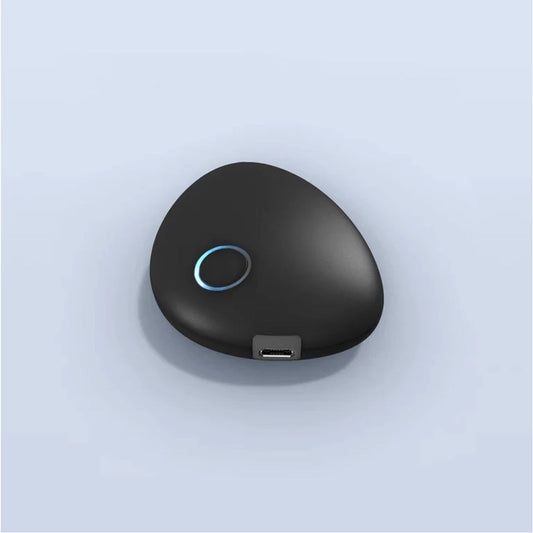
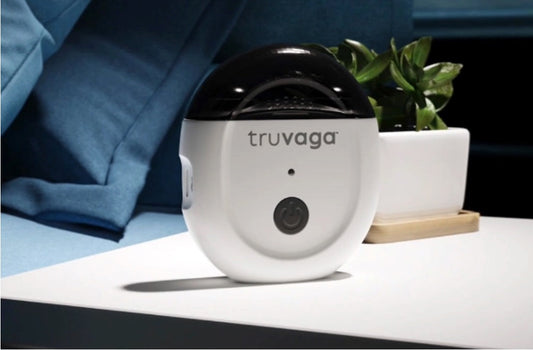
Nuropod by Parasym is a non-invasive wearable vagus nerve stimulation device designed for regular at-home use.
Nuropod is built on Parasym’s proprietary AVNT™ approach, or Auricular Vagal Neuromodulation Technology. This approach is designed around tragus-based auricular stimulation, targeting an area of the outer ear associated with vagal pathways.
Nuropod stands apart from generic vagus nerve stimulators because it is informed by more than 10 years of neuromodulation research and linked to a scientific ecosystem spanning 60+ published scientific studies and 150+ academic and scientific collaborations.
Its wearable, ear-based design supports non-invasive, at-home daily use. This makes it especially relevant for people looking for consistent HRV and nervous system support rather than occasional, one-off stimulation.
Research linked to Parasym’s auricular approach has also reported measurable changes in vagus nerve activity within as little as 5 minutes. However, the strongest positioning for Nuropod remains structured, repeated use over time, because HRV and autonomic regulation are shaped by consistency.
HRV Improvement: What Nuropod Research Shows
Nuropod is designed to support key areas connected to vagal regulation. In published research linked to Parasym’s auricular approach, reported findings include measurable changes across autonomic, recovery, mood, sleep, inflammatory, circulatory, and cognitive markers.
61% Improvement in Vagus Nerve Activity and HRV*
In placebo-controlled research, Parasym’s auricular neuromodulation approach was associated with a 61% improvement in vagus nerve activity and heart rate variability compared with sham stimulation.
This is directly relevant for people searching for how to increase HRV, because HRV is one of the most commonly used markers of parasympathetic, or rest-and-digest, activity.
Up to 67% Increase in Vagus Nerve Activity Within 5 Minutes*
Some studies linked to Parasym’s auricular approach have reported early shifts in vagus nerve activity within as little as 5 minutes of stimulation.
This suggests that ear-based neuromodulation may produce measurable short-term autonomic effects, yet be most meaningful as part of a structured, longer-term routine.

Figure: RMSSD is a heart rate variability (HRV) measure sensitive to parasympathetic (vagal) activity, with higher values indicating greater autonomic flexibility. In a randomized, placebo-controlled study, Nuropod neuromodulation was associated with increased RMSSD compared with baseline and placebo, with effects persisting into the recovery phase, suggesting a carry-over effect.
Up to 90% Improvement After 2 Months of Structured Use*
Longer-term structured use has also been associated with greater improvements in vagus nerve activity over time. This supports the idea that HRV improvement is best approached through repeated regulation rather than isolated interventions.
34% Improvement in Cardio-Vagal Baroreflex Gain*
Beyond HRV, research in cardiovascular populations has reported a 34% improvement in cardio-vagal baroreflex gain.
Baroreflex gain reflects how effectively the body adjusts heart rate in response to changes in blood pressure, making it another important marker of autonomic regulation.
 Figure: Cardio-vagal baroreflex gain (BRS), expressed as ms/mmHg, before and after Nuropod neuromodulation in patients with chronic heart failure. BRS reflects the sensitivity of autonomic reflex control of heart rate in response to blood pressure changes and is commonly impaired in heart failure. In this study, acute auricular vagal neuromodulation was associated with a significant increase in cardio-vagal baroreflex gain compared with baseline (p < 0.001), consistent with enhanced parasympathetic cardiovascular regulation.
78% Reduction in Inflammatory Markers and 28% Reduction in Oxidative Stress*
Research using Parasym’s AVNT™ approach has reported a 78% reduction in inflammatory markers in active stimulation groups compared with sham controls, together with a 28% reduction in oxidative stress markers.
This is relevant because inflammation, oxidative stress, recovery capacity, and autonomic regulation are closely connected. When the nervous system is under sustained load, supporting vagal pathways may also help support the body’s natural inflammatory regulation processes.
50% Improvement in Blood Vessel Flexibility and 39% Improvement in Cellular Oxygen Delivery*
Studies looking at vascular function have reported a 50% improvement in blood vessel flexibility and a 39% improvement in cellular oxygen delivery with active AVNT™ stimulation compared with sham.
This matters because circulation and autonomic regulation influence each other. Cardiovascular rhythm, blood pressure control, vascular tone, and HRV are all part of the wider system that helps the body respond to stress and return toward recovery.
31% Improvement in Sleep Quality*
Sleep quality is closely connected with HRV. In pilot research, Parasym’s auricular approach was associated with around a 31% improvement in sleep quality, suggesting that vagal support may help the body shift more effectively into rest and recovery states.
48% Reduction in Fatigue Scores*
In research involving people with persistent post-viral symptoms, auricular neuromodulation was associated with a 48% reduction in fatigue scores. This matters because fatigue, reduced recovery capacity, and low HRV often overlap in people experiencing sustained physiological strain.
45% Improvement in Mood and 35% Reduction in Anxious Thoughts*
Research linked to Parasym’s AVNT™ approach has reported a 45% improvement in mood-related outcomes alongside a 35% reduction in anxious thoughts.
This is relevant in the context of HRV because emotional regulation, stress responsiveness, and autonomic balance are closely interconnected. When vagal pathways are better supported, the nervous system may become less reactive and more able to return toward baseline after periods of activation.
Well Tolerated in 200+ Cardiovascular Patients*
A pooled safety review covering more than 200 cardiovascular patients reported no serious device-related adverse events to date, with only minor, brief ear tingling or light skin sensations noted in a small number of participants.
This supports the tolerability of the AVNT approach in structured long-term use.
How Nuropod Fits Into an HRV-Supportive Routine
Nuropod should not be viewed as a replacement for sleep, movement, nutrition, stress management, or recovery habits. HRV is influenced by many interacting systems, so the strongest approach is usually multimodal.
For people exploring how to increase HRV, Nuropod may fit well alongside consistent sleep timing, slow breathing, moderate movement, post-exercise recovery, reduced evening stimulation, regular meals, hydration, and daily parasympathetic support.
The aim is not to force HRV upward overnight. It is to create repeated physiological signals that support the body’s ability to regulate, recover, and adapt.
Why HRV Improves Gradually
A common misconception is that HRV should improve quickly once a new routine begins. In reality, HRV changes from day to day and is influenced by many variables.
Short-term fluctuations are normal - a single low HRV reading does not necessarily mean something is wrong. Longer-term trends are more useful because they show whether the nervous system is becoming better supported over time.
This is why Nuropod’s daily-use model is important. It is designed to provide consistent support for vagal pathways rather than acting only as a one-off intervention. That makes it more aligned with how HRV adaptation actually works.
How to Increase HRV: Key Takeaways
The most effective way to increase HRV is to consistently support the nervous system. HRV reflects how well the body adapts, recovers, and returns to baseline after stress.
Improving HRV usually means reducing unnecessary sympathetic load while strengthening parasympathetic recovery through sleep, breath, movement, routine, and vagal support.
Nuropod fits into this broader approach as an ear-based, non-invasive wearable system designed for regular at-home use. Built on Parasym’s AVNT™ approach and supported by over 10 years of growing body of auricular neuromodulation research, it offers a practical way to support vagal regulation as part of a long-term HRV routine.
For people searching how to increase HRV, the key is not one perfect intervention. It is repeated support for the systems that help the body recover, regulate, and adapt.
FAQ: How to Increase HRV
What is HRV?
Heart rate variability (HRV) refers to the natural variation in time between heartbeats. Rather than beating at perfectly regular intervals, a healthy heart constantly adjusts based on the nervous system’s response to stress, recovery, sleep, movement, and emotional state. Higher HRV is generally associated with greater autonomic flexibility and recovery capacity.
Why is HRV important?
HRV is commonly used as a marker of nervous system balance and recovery. It can provide insight into how well the body adapts to physical, emotional, and cognitive stress over time. Many people monitor HRV to better understand recovery, resilience, sleep quality, and overall autonomic regulation.
What causes low HRV?
HRV can decrease when the body is under sustained physiological or psychological stress. Common contributors include poor sleep, illness, dehydration, overtraining, alcohol, chronic stress, insufficient recovery, and irregular daily routines.
How can I increase HRV naturally?
Improving HRV usually involves supporting recovery and parasympathetic activity consistently over time. Helpful strategies may include:
- Better sleep consistency
- Slow breathing exercises
- Moderate regular movement
- Reducing excessive stress and stimulation
- Hydration and balanced nutrition
- Structured recovery routines
HRV improvement is typically gradual and reflects long-term nervous system regulation rather than quick fixes.
Can breathing exercises increase HRV?
Yes. Slow, controlled breathing can influence HRV through respiratory sinus arrhythmia, the natural relationship between breathing and heart rhythm. Gentle breathing practices with slightly longer exhales may help support parasympathetic activity and autonomic balance.
Does sleep affect HRV?
Sleep is one of the strongest influences on HRV. During deeper stages of sleep, parasympathetic activity tends to increase, supporting recovery and autonomic regulation. Poor sleep quality or inconsistent sleep timing may reduce HRV over time.
What is the connection between the vagus nerve and HRV?
The vagus nerve plays a major role in parasympathetic regulation, often referred to as the “rest-and-digest” response. HRV is commonly used as an indirect marker of vagal activity because stronger parasympathetic influence is often associated with greater beat-to-beat variability in heart rhythm.
Can vagus nerve stimulation help support HRV?
Research suggests that vagus nerve stimulation may support autonomic regulation and parasympathetic activity. Ear-based auricular vagus nerve stimulation approaches are designed to provide non-invasive neuromodulation through the outer ear and may fit into broader recovery and HRV-supportive routines.
Why are ear-based vagus nerve stimulation devices different from neck-based devices?
Many neck-based cervical devices are handheld and designed for shorter, more episodic sessions. Ear-based auricular devices can often be used in a wearable format, making them better suited to low-level, repeatable daily use and long-term autonomic support.
Is vagus nerve stimulation safe?
Non-invasive vagus nerve stimulation is generally considered well tolerated when used appropriately and according to device instructions. Research linked to Parasym’s auricular AVNT™ approach used in Nuropod has reported no serious device-related adverse events in pooled cardiovascular safety data involving more than 200 patients. Reported side effects were typically mild and temporary, such as light ear tingling or mild skin sensations.
What is Nuropod?
Nuropod by Parasym is a non-invasive, wearable auricular vagus nerve stimulation device designed for regular at-home use. It uses Parasym’s AVNT™ (Auricular Vagal Neuromodulation Technology) approach, which focuses on tragus-based ear stimulation associated with vagal pathways.
References
-
Dalle Luche R, et al. First report of safety and tolerability of low-level tragus vagal neuromodulation in cardiovascular patients. J Am Coll Cardiol. 2024.
-
Geng Y, et al. Circadian stage-dependent and stimulation duration effects of transcutaneous auricular vagus nerve stimulation on heart rate variability. PLoS One. 2022.
-
Maestri R, et al. Impact of optimized transcutaneous auricular vagus nerve stimulation on cardiac autonomic profile in healthy subjects and heart failure patients. Physiol Meas. 2024.
-
Molaeizadeh G, et al. Effects of transcutaneous vagus nerve stimulation, neurofeedback, and their combination on cortisol, anxiety, and depression subtypes in non-clinical adults. 2025.
-
Stavrakis S, et al. TREAT AF — transcutaneous electrical vagus nerve stimulation to suppress atrial fibrillation: a randomised clinical trial. JACC Clin Electrophysiol. 2020.
-
Stavrakis S, et al. Noninvasive vagus nerve stimulation in postural tachycardia syndrome: a randomized clinical trial. JACC Clin Electrophysiol. 2023.
-
Dasari TW, et al. Effects of low-level tragus stimulation on endothelial function in heart failure with reduced ejection fraction. J Card Fail. 2021;27(5).
-
Dasari TW, et al. Noninvasive low-level tragus stimulation attenuates inflammation and oxidative stress in acute heart failure. Clin Auton Res. 2023.
-
Mbikyo E, et al. Low-level tragus stimulation attenuates blood pressure in young individuals with hypertension: results from a small-scale single-blind controlled randomized clinical trial. J Am Heart Assoc. 2024.
-
Zheng Y, et al. Transcutaneous vagus nerve stimulation improves Long COVID symptoms in a female cohort: a pilot study. Front Neurol. 2024.
-
Verbanck P, et al. Transcutaneous auricular vagus nerve stimulation (tVNS) can reverse the manifestations of the Long-COVID syndrome: a pilot study. Adv Neurol Neurosci Res. 2021.
-
Natelson B, Blate M, Soto T. Transcutaneous vagus nerve stimulation for long COVID and chronic fatigue symptoms. medRxiv. 2022.
-
Dolcini J, et al. Vagal nerve stimulation and fibromyalgia: an additional therapeutic option. Clin Exp Rheumatol. 2025.
-
Jackowska M, et al. Effects of transcutaneous vagus nerve stimulation on subthreshold affective symptoms and perceived stress: findings from a single-blinded randomized trial in community-dwelling adults. 2025.
-
Kamboj SK, et al. Electroceutical enhancement of self-compassion training using transcutaneous vagus nerve stimulation: results from a preregistered fully factorial randomized controlled trial. Psychol Med. 2025.
Disclaimer: *Nuropod is a non-invasive health wearable and is not a medical device. It is not intended to diagnose, treat, cure, or prevent any disease or medical condition. The statements contained in this article have not been evaluated by the FDA and do not constitute medical advice. Scientific references and study summaries presented herein describe findings from independent peer-reviewed research and are not intended to imply specific individual outcomes. Individual results may vary. Persons with existing medical conditions are advised to consult a qualified healthcare professional before commencing use.