How Does the Vagus Nerve Affect Digestion? Gut & Nervous System Connection Explained

Key Takeaways
-
The vagus nerve runs from the brainstem to the esophagus, stomach, pancreas, gallbladder, and most of the intestine, carrying signals in both directions.
-
Digestion belongs to rest-and-digest mode, and the vagus nerve carries those signals, slowing heart rate and giving the digestive tract its timing cues.
-
Stomach acid release, enzyme output, and peristalsis are all influenced by vagal signals, which play a part in how comfortable digestion feels and how well the body takes in nutrients.
-
Most vagal fibers in the gut run upward, so the digestive tract sends far more information to the brain than it receives back, including signals behind appetite and fullness.
-
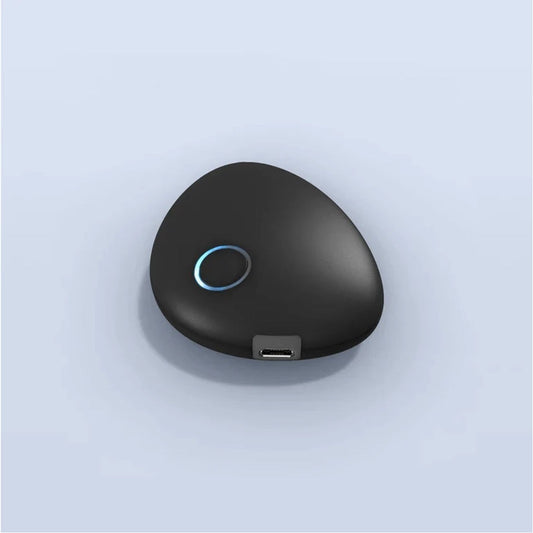
Nuropod onto the tragus, where the vagus nerve reaches the skin of the ear, and is designed to support your nervous system.
How Does the Vagus Nerve Influence Digestive Timing?
The vagus nerve is a long nerve that runs from the brainstem down into the body, carrying signals between the brain and organs including the heart, lungs, and gut. It affects digestion by carrying signals that influence when the stomach releases acid, how quickly it empties, and how the intestines contract. Digestion shares this nerve route with the systems that handle alertness and recovery, which is why it can run differently when the body is braced for something else.
Signal strength is not fixed. It can vary with age, general health, recovery from illness, and how much ongoing strain someone is under. Some research has linked weaker signaling to less coordinated intestinal muscle activity, though that research is still developing.
Nuropod is a wearable vagus nerve stimulation (VNS) device that uses the proprietary AVNT™ waveform developed by Parasym. It is designed to support your nervous system and is used alongside existing care, not instead of it. Talk to a healthcare professional before adding anything new to your routine.

What the Vagus Nerve Does in the Digestive System
In the digestive system, the vagus nerve reaches the esophagus, stomach, pancreas, gallbladder, and most of the intestine. Along that route, it helps the stomach release acid and digestive enzymes, and contributes to the muscle movements that push food along in one direction.
Rest & Digest
The body works in two broad modes. Fight or flight is the alert mode, built for speed and movement, while rest and digest is the recovery mode that digestion belongs to.
The vagus nerve is the main route for rest-and-digest signals. When those signals are active, heart rate slows and the digestive tract receives the timing cues it needs.
Moving Food Through the Gut
Swallowing is the first step in the sequence the vagus nerve helps coordinate. The muscles in the throat and esophagus squeeze in a set order to push each mouthful downward, and signals from the vagus nerve time that order.
In the stomach, the nerve influences how much acid is produced and how quickly the contents move into the small intestine. That speed affects how comfortable digestion feels and how well the body takes in nutrients. Further along, the vagus nerve contributes to peristalsis, the wave of squeezing and relaxing that carries food through the intestines.

Most people use Nuropod for around 30 minutes, once or twice a day, while working, reading, or watching television.
What Is the Gut & Nervous System Connection?
The gut-nervous system connection is the constant back-and-forth of signals between the digestive tract and the brain, and the vagus nerve carries a large share of that traffic. The exchange is uneven because the gut sends far more messages up to the brain than the brain sends down to the gut.
The digestive tract also has its own nerve network, called the enteric nervous system. It is dense enough to handle basic reflexes locally without waiting for instructions from the brain, and the vagus nerve links that local network to the rest of the body.
What the Gut Sends Upward
Sensors in the gut wall pick up stretch, pressure, nutrient content, and chemical conditions. The vagus nerve carries those signals upward, and most of its nerve fibers run in that direction.
This upward traffic feeds into appetite and into the feeling of fullness during and after a meal. It may also be part of why digestion often registers as a vague physical feeling instead of a precise one. You can usually tell that something is happening without being able to pinpoint exactly where.
What the Brain Sends Downward
Signals traveling downward adjust how the digestive system is running. They influence how much acid the stomach produces and how quickly material moves along.
Some of those signals arrive before the food does. The sight and smell of a meal trigger acid and enzyme release through the vagus nerve, which gets the stomach and pancreas ready for what is about to arrive.

The gut sends far more signals up to the brain than the brain sends down, and the vagus nerve carries a large share of them.
What Vagus Nerve Surgery Showed About Digestion
Surgery that cuts the vagus nerve, a procedure once used for ulcers, produces a measurable change in how the stomach works. That remains the clearest demonstration of how much of digestion the nerve accounts for.
These findings come from people who had the nerve surgically cut, so they show how much the stomach relies on vagal signals. They do not show how smaller, everyday changes in signaling affect digestion, which is a separate and still developing area of research.
Nuropod: Designed to Support Your Nervous System

Nuropod clips onto the tragus and delivers Parasym's proprietary AVNT waveform. Most people use it for around 30 minutes, once or twice a day.
Digestion is one of many processes the nervous system helps coordinate. If you want to look after your nervous system as part of your day, Nuropod is one option to consider.
Nuropod clips onto the tragus, where the vagus nerve reaches the skin of the ear, and delivers our proprietary AVNT waveform, developed and tested by Parasym. Most people use it for around 30 minutes, once or twice a day, while working, reading, or watching television. Explore Nuropod and see whether VNS fits your routine.
Frequently Asked Questions (FAQs)
Is the vagus nerve involved in nausea?
Vagal fibers running from the stomach and small intestine carry information that contributes to the nausea and vomiting reflex. Nausea also has causes unrelated to the gut, including inner ear signals and substances circulating in the blood.
Does the gut influence mood?
Signals travel upward from the digestive tract along the vagus nerve, placing the gut in the same communication network the brain uses. Research into how far gut condition shapes mood is ongoing and unsettled, so the link is better treated as an open question than an established finding.
Does slow breathing stimulate the vagus nerve?
Slow breathing is widely described as calming, and many people find it helps them settle. It is not a form of vagus nerve stimulation, and there is no evidence that it stimulates the vagus nerve in the way vagus nerve stimulation does.
Does the vagus nerve affect gut bacteria?
Vagal fibers in the gut wall respond to the digestive tract's chemical environment, and bacteria there help shape it. Research on this relationship is in its early stages, with much of the available evidence drawn from animal models rather than people.
Where does Nuropod stimulate the vagus nerve?
Nuropod clips onto the tragus, the small flap just in front of the ear canal, which is where the vagus nerve reaches the skin of the ear. This access point makes noninvasive VNS possible without surgery. Most people use Nuropod for around 30 minutes, once or twice a day.
*Disclaimer: Nuropod is classified by the FDA as a non-significant risk device and is not intended to diagnose, treat, cure, or prevent any disease. Clinical research referenced in this article was conducted using Parasym's neuromodulation technology under research conditions; individual results may vary. All percentage figures cited reflect findings from specific study populations and should not be interpreted as guaranteed outcomes for all users. Individuals should consult a qualified health professional regarding their personal health needs.